
Why Context Switching Destroys Your Productivity (And How to Stop)
Your brain isn’t designed for jumping between tasks every few minutes. Learn why context switching is your biggest productivity killer and what to do about it.
You don’t need expensive software. Learn how to create a sustainable workflow using basic tools and smart habits.

Most people think they need the perfect app. Notion, Monday.com, Asana — there’s always something newer, fancier, more “comprehensive.” But here’s the thing: you probably already have what you need.
The real issue isn’t your tools. It’s that you haven’t defined your system. You’re bouncing between apps because you don’t have a clear process. Add another app, and you’ll just bounce faster.
Building a repeatable system doesn’t require subscription fees or learning curves. It requires clarity about how you work, what matters, and when you’ll do it. That’s it.
A repeatable system beats a perfect app every single time. You can execute a basic system consistently. You’ll abandon a fancy app after two weeks.
Before you build anything, write down how you actually work today. Not how you think you should work — how you really do it.
Spend three days just observing yourself. What tasks repeat? When do you handle email? When do you think about bigger projects? What interrupts you most? Which decisions happen at the same time each day?
You’ll notice patterns. Maybe you’re most focused in the morning. Maybe you handle admin work between meetings. Maybe you batch-process emails at 2pm and 5pm. These aren’t flaws — they’re the foundation of your system.
Document it with pen and paper if that helps. Use a simple spreadsheet. Take notes in your phone. The format doesn’t matter. Understanding your actual workflow does.

This guide is educational in nature. Every workflow is different — what works for one person might need adjustment for another. Your repeatable system should reflect your actual circumstances, not generic advice. Test small changes and keep what works for you.

Now that you know your patterns, organize your week into blocks. Not hour-by-hour micromanagement — just the big groupings.
For example: “Mondays and Wednesdays are strategy days — I plan projects, do research, think long-term. Tuesdays and Thursdays are execution days — meetings, client work, deliverables. Fridays are admin — email, planning, reviews.”
This is simple. It’s repeatable. And it works because your brain knows what kind of thinking it needs to do each day.
Write this on paper or in a basic spreadsheet. Just make it visible. You’ll refer to it constantly.
Here’s where most people overthink. Your toolbox doesn’t need to be fancy. It needs to be functional and consistent.
A physical planner or Google Calendar. That’s it. Pick one. Write your weekly blocks in it. Stick to it.
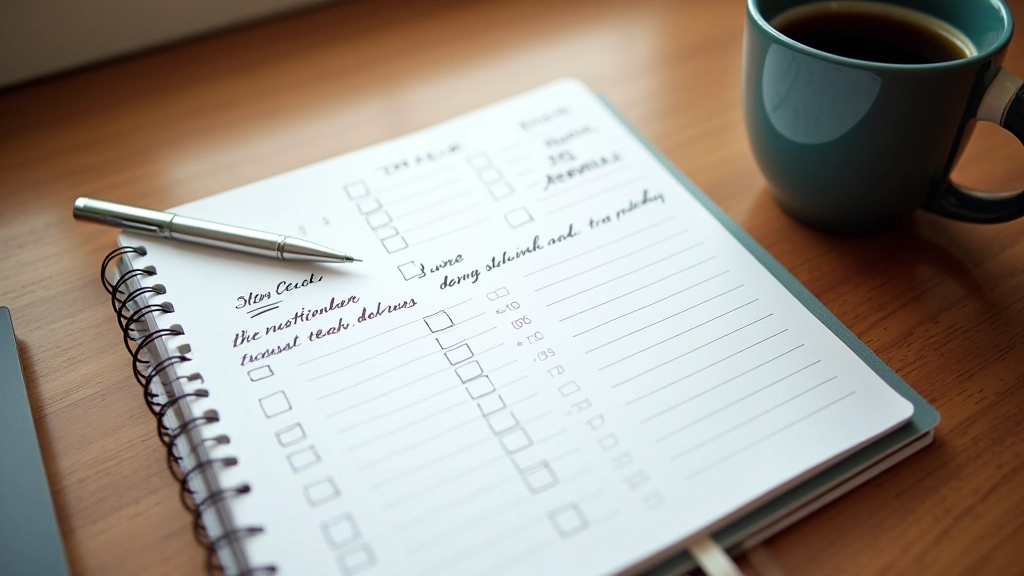
A notebook, a whiteboard, or a simple notes app. Write three to five tasks each morning. Cross them off as you finish. Done.
One folder system (digital or physical) for important documents. Label it clearly. Archive old stuff quarterly.
Email at scheduled times (not constantly). Use templates for common messages. Batch-process responses instead of reacting to each one.

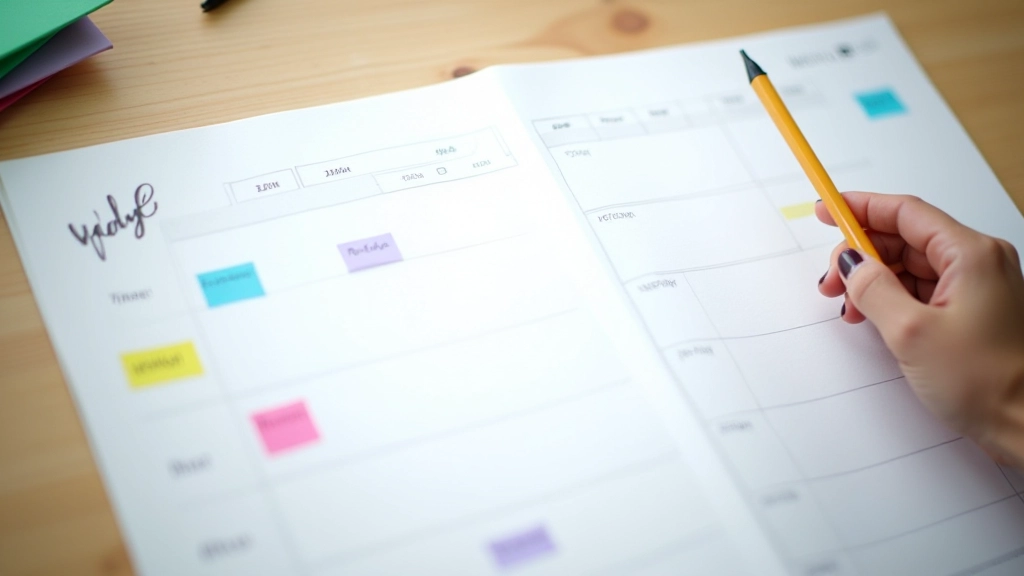
Every Friday afternoon, spend 15 minutes reviewing your week. What worked? What didn’t? What’s carrying over to next week?
This isn’t complicated. Ask yourself three questions: “Did I stick to my blocks?” “What interrupted me most?” “What do I need to change next week?”
Write the answers down. One or two sentences each. This weekly check is what turns your system into something that actually works. You’re not trying to be perfect — you’re iterating.
After a month, you’ll have real data about your workflow. After three months, you’ll have a system that’s built specifically for how you work. That’s worth more than any app subscription.
Building a repeatable system is about understanding yourself first, then creating structure around that understanding. You don’t need to buy anything. You don’t need to learn new software. You need clarity and consistency.
Start this week. Document your workflow. Design your blocks. Pick your tools. Do your Friday review. That’s the entire system. It’ll feel simple at first because it is. That’s the point. Simple systems stick. Complicated systems get abandoned.